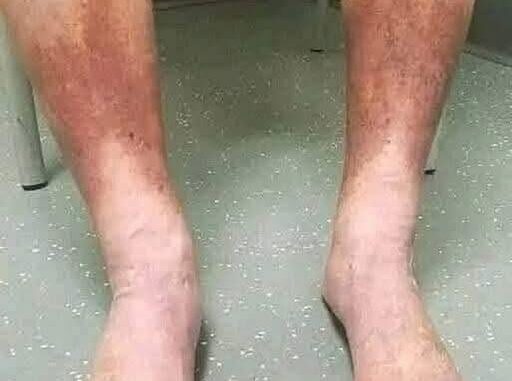
The human body is an extraordinary system that constantly works to maintain balance. Every organ, blood vessel, muscle, and nerve contributes to keeping the body functioning efficiently. When something disrupts this balance, the body often provides clues that deserve attention. One common sign that many people experience is swelling in the feet and ankles.
Swollen feet can occur for many reasons. In some situations, it is a temporary reaction to standing for long periods, traveling, or spending time in hot weather. In other cases, it may signal an underlying health issue that requires medical evaluation. Understanding why swelling occurs, what factors contribute to it, and when it may indicate a more serious condition can help individuals make informed decisions about their health.
This article explores the science behind swollen feet, common causes, potential warning signs, treatment approaches, and preventive measures that may help reduce discomfort and support overall well-being.
Foot swelling occurs when excess fluid accumulates in the tissues of the feet, ankles, or lower legs. Medical professionals often refer to this condition as edema. Although swelling can affect many parts of the body, the feet and ankles are especially vulnerable because gravity naturally pulls fluids downward.
The amount of swelling can vary significantly from person to person. Some individuals notice only mild puffiness around the ankles, while others experience noticeable enlargement that makes shoes feel tight or uncomfortable.
Swelling itself is not a disease. Rather, it is a symptom that may be linked to a wide range of factors, from everyday habits to underlying medical conditions.
To understand swelling, it helps to know how the body manages fluids.
Blood circulates through a network of arteries, veins, and tiny vessels called capillaries. These capillaries allow oxygen, nutrients, and fluids to move between the bloodstream and surrounding tissues. Normally, the body carefully regulates this exchange.
However, when more fluid leaves the blood vessels than can be reabsorbed or removed through the lymphatic system, swelling may develop. The excess fluid becomes trapped within tissues, causing them to expand.
Because the feet are located at the lowest part of the body when standing or sitting, fluid tends to collect there more easily than in many other areas.
Many cases of foot swelling are temporary and not necessarily linked to serious health concerns. Several everyday situations can contribute to fluid retention in the lower extremities.
People whose jobs require prolonged standing often experience swelling by the end of the day. Retail workers, healthcare professionals, teachers, and factory employees frequently encounter this issue.
Remaining in one position for extended periods can slow circulation and allow fluid to accumulate in the feet and ankles.
Extended Sitting
Sitting for long periods can produce similar effects. Long-distance travel by airplane, car, bus, or train often limits movement, reducing the effectiveness of the calf muscles that help push blood back toward the heart.
Without regular muscle activity, fluid may pool in the lower legs, leading to temporary swelling.
Hot Weather
Many people notice puffier feet during warm summer months. Heat causes blood vessels to widen, a process known as vasodilation. This natural response helps the body release heat, but it can also increase fluid leakage into surrounding tissues.
As a result, swelling may become more noticeable during periods of high temperatures.
Physical Activity
Strenuous exercise can occasionally lead to temporary swelling, particularly after activities that place stress on the lower body. Long walks, hikes, runs, or intense workouts may cause mild inflammation that contributes to fluid accumulation.
In many cases, the swelling subsides as the body recovers.
Dietary Factors That May Contribute to Swelling
Nutrition plays an important role in fluid regulation.
Excess Sodium Intake
Sodium is essential for many bodily functions, including nerve signaling and fluid balance. However, consuming excessive amounts may encourage the body to retain water.
Many processed foods contain significant amounts of sodium, including:
- Packaged snacks
- Fast food
- Processed meats
- Canned soups
- Frozen meals
- Certain sauces and condiments
When sodium intake rises, the body often holds onto additional water to maintain proper balance. This extra fluid may contribute to swelling in the feet and ankles.
Insufficient Hydration
Although it may seem counterintuitive, not drinking enough water can sometimes encourage fluid retention. The body may respond to dehydration by conserving water, which can contribute to temporary swelling.
Maintaining adequate hydration supports normal fluid regulation and overall health.
Injury-Related Swelling
The body’s inflammatory response plays an important role in healing injuries.
When tissues become damaged due to a sprain, strain, fracture, or other injury, the immune system sends blood, nutrients, and specialized cells to the affected area. This process often causes swelling.
Common injury-related causes include:
- Ankle sprains
- Foot fractures
- Ligament injuries
- Muscle strains
- Bruising
Swelling from injury is frequently accompanied by pain, tenderness, bruising, or difficulty bearing weight.
Pregnancy and Swollen Feet
Foot and ankle swelling is common during pregnancy, especially in the later months.
Several factors contribute to this change:
- Increased blood volume
- Hormonal fluctuations
- Pressure from the growing uterus on blood vessels
- Changes in circulation
Mild swelling is often considered a normal part of pregnancy. However, sudden or severe swelling, particularly when accompanied by headaches, vision changes, or elevated blood pressure, should be evaluated by a healthcare professional promptly.
Medical Conditions Associated With Foot Swelling
Persistent or unexplained swelling sometimes reflects an underlying medical condition.
Heart-Related Conditions
The heart plays a central role in circulation. When the heart cannot pump blood efficiently, fluid may accumulate in various parts of the body, including the legs, ankles, and feet.
This type of swelling may be accompanied by symptoms such as:
- Fatigue
- Shortness of breath
- Reduced exercise tolerance
- Rapid weight gain from fluid retention
Medical evaluation is important when swelling appears alongside these symptoms.
Kidney Disorders
The kidneys help regulate fluid and electrolyte balance. When kidney function becomes impaired, excess fluid and sodium may remain in the body.
This can contribute to swelling that affects:
- Feet
- Ankles
- Legs
- Hands
- Face
Because kidney conditions can develop gradually, persistent swelling should not be ignored.
Liver Conditions
The liver produces proteins that help maintain fluid within blood vessels. When liver function becomes compromised, fluid may escape more easily into surrounding tissues.
In some cases, swelling in the feet and legs may occur alongside abdominal fluid retention.
Venous Insufficiency
Veins contain valves that help blood travel back toward the heart. If these valves weaken or become damaged, blood may pool in the legs.
This condition, known as chronic venous insufficiency, can contribute to:
- Leg heaviness
- Swelling
- Skin changes
- Discomfort
The condition often develops gradually over time.
Lymphedema
The lymphatic system helps remove excess fluid from tissues. When lymphatic drainage becomes impaired, swelling may develop.
Lymphedema can affect one or both legs and may require specialized treatment strategies.
Medications That May Cause Swelling
Certain medications can contribute to fluid retention as a side effect.
Examples may include:
- Some blood pressure medications
- Certain anti-inflammatory drugs
- Hormonal medications
- Some diabetes medications
- Certain antidepressants
Individuals who notice swelling after starting a new medication should discuss concerns with a healthcare provider before making any changes.
Understanding Pitting Edema
Healthcare professionals sometimes evaluate swelling by gently pressing a finger into the affected area.
If the indentation remains visible for several seconds after pressure is removed, it is known as pitting edema.
Pitting edema can occur for various reasons, including fluid retention and circulatory issues. The presence of pitting does not automatically indicate a serious condition, but it may provide useful information during medical assessment.
When Swelling May Require Immediate Medical Attention
Although many cases of swelling are harmless and temporary, some situations warrant prompt medical evaluation.
Medical attention should be sought if swelling is accompanied by:
- Chest pain
- Difficulty breathing
- Sudden shortness of breath
- Severe pain
- High fever
- Significant redness or warmth
- Sudden swelling in one leg
- Fainting or confusion
These symptoms may indicate conditions that require urgent care.
Deep Vein Thrombosis: An Important Concern
One particularly serious cause of swelling is deep vein thrombosis (DVT).
DVT occurs when a blood clot forms in a deep vein, typically in the leg. Symptoms may include:
- Swelling in one leg
- Pain or tenderness
- Warmth
- Skin discoloration
Because a clot can potentially travel to the lungs and cause serious complications, immediate medical evaluation is essential if DVT is suspected.
Infections and Swelling
Certain infections can also cause swelling in the feet and lower legs.
For example, cellulitis is a bacterial skin infection that may lead to:
- Redness
- Warmth
- Pain
- Swelling
- Fever
Prompt medical treatment is generally necessary to prevent complications.
Managing Mild Foot Swelling at Home
For swelling related to prolonged standing, travel, or mild fluid retention, several self-care strategies may help.
Elevate the Feet
Raising the feet above heart level may encourage fluid to move away from the lower extremities.
Many people find relief by lying down and placing their legs on pillows for 20 to 30 minutes several times daily.
Stay Active
Movement helps improve circulation.
Simple activities may include:
- Walking
- Gentle stretching
- Calf raises
- Ankle rotations
Even short periods of movement throughout the day can make a noticeable difference.
Wear Compression Garments
Compression socks or stockings provide gentle pressure that may support circulation and help reduce fluid accumulation.
Individuals with underlying medical conditions should consult a healthcare professional before beginning compression therapy.
Reduce Excess Sodium
Limiting highly processed foods may help reduce water retention.
Choosing fresh fruits, vegetables, lean proteins, and whole grains can support overall fluid balance.
Maintain Hydration
Consistent hydration supports healthy circulation and kidney function.
Drinking adequate water throughout the day may help the body regulate fluids more effectively.
Preventing Future Episodes of Swelling
Prevention often focuses on supporting healthy circulation and fluid balance.
Helpful habits may include:
- Taking movement breaks during long periods of sitting
- Avoiding prolonged standing when possible
- Maintaining a healthy body weight
- Exercising regularly
- Wearing properly fitted footwear
- Following a balanced diet
- Staying hydrated
Small daily habits can often reduce the likelihood of recurrent swelling.
The Importance of Listening to Your Body
The body continuously communicates through symptoms and physical changes. Swelling in the feet may sometimes be a simple response to heat, inactivity, or dietary factors. In other situations, it may serve as an early indication that something requires medical attention.
Paying attention to patterns can be helpful. Questions worth considering include:
- How often does the swelling occur?
- Does it affect one foot or both?
- Is it associated with pain?
- Does it improve with rest?
- Are there other symptoms present?
Observing these details may provide useful information for healthcare providers.
Conclusion
Swollen feet are a common experience that can arise from a variety of causes, ranging from everyday activities to underlying medical conditions. Temporary swelling after travel, standing for long periods, or exposure to hot weather is often manageable through lifestyle adjustments such as movement, hydration, and elevation.
However, persistent, unexplained, or severe swelling should not be overlooked. Conditions involving the heart, kidneys, liver, veins, or lymphatic system can sometimes contribute to fluid buildup in the lower extremities. Recognizing warning signs and seeking appropriate medical guidance when necessary can help ensure timely diagnosis and treatment.
Ultimately, the feet do more than support movement. They can also provide valuable insights into overall health. By paying attention to changes, maintaining healthy habits, and consulting healthcare professionals when concerns arise, individuals can take proactive steps toward supporting both comfort and long-term well-being.
Medical Disclaimer: This article is intended for educational and informational purposes only and should not be considered medical advice. Anyone experiencing persistent, severe, or concerning swelling should consult a qualified healthcare professional for evaluation and personalized guidance.
Leave a Reply