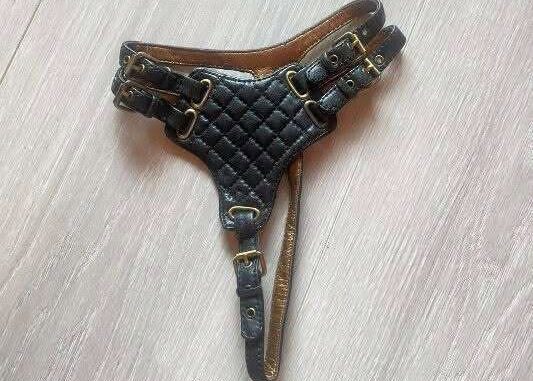
In the world of fashion, it is often the smallest and most subtle details that leave the strongest impression. Clothing may set the foundation of a look, but it is the accessories that truly define personality, mood, and individuality. While trends in apparel change rapidly from season to season, certain accessories manage to maintain their relevance across decades. These enduring pieces stand apart because they are not only visually appealing but also deeply connected to craftsmanship, history, and versatility.
One such underrated yet fascinating accessory is the vintage boot strap.
At first glance, boot straps may appear to be simple functional additions to footwear. However, a closer look reveals that they represent far more than utility. Originally designed to secure, support, or decorate boots, these small leather or metal elements have gradually evolved into expressive fashion details that carry both aesthetic value and historical significance. In recent years, they have quietly re-entered the fashion landscape, gaining attention among collectors, stylists, and individuals who value heritage-inspired design.
What makes vintage boot straps especially compelling is not just their physical appearance, but the story embedded within them. Each piece reflects a time, a culture, and a purpose that modern mass-produced accessories often lack.
The history of boot straps begins with practicality. They were initially created as functional components of sturdy boots worn in demanding environments. Cowboys working on ranches, motorcycle riders navigating long roads, industrial workers, and outdoor laborers all relied on durable footwear to support their daily activities. In such settings, every component of a boot had to serve a purpose.
Boot straps were commonly used to assist in pulling on tight-fitting boots, reinforcing structure, or adding extra security during movement. Over time, however, their role expanded beyond pure function. Craftsmen and shoemakers began incorporating decorative elements, transforming these straps into visually distinctive features.
Materials such as thick leather, reinforced stitching, and solid metal hardware were commonly used. Many straps were handmade, reflecting the skill and attention to detail of artisans who prioritized durability as much as appearance. Buckles, rivets, and engraved metal accents gradually turned these once-practical items into subtle expressions of personal style.
As fashion evolved, so did the perception of boot straps. They transitioned from purely utilitarian components into symbolic accessories associated with rugged individuality and authenticity.
Over time, vintage boot straps became more than just functional additions—they began to represent identity. In Western and workwear cultures, clothing has always carried symbolic meaning. Boots themselves were associated with independence, resilience, and a connection to outdoor life. Adding decorative straps introduced another layer of personalization.
Unlike modern accessories that are often produced in large quantities with uniform designs, older boot straps were frequently unique. Many featured hand-tooled leather patterns, custom engravings, or variations in metalwork that reflected the craftsman’s individual touch. Because of this, no two pairs aged in exactly the same way.
Natural wear and tear further contributed to their uniqueness. Scratches, faded leather tones, softened edges, and patina on metal components all became visual records of experience. Instead of diminishing their value, these imperfections enhanced their appeal.
For modern fashion enthusiasts, this authenticity is highly desirable. In a world dominated by fast production and disposable goods, items that visibly carry time and history stand out as meaningful alternatives.
Why Vintage Fashion Continues to Inspire Modern Audiences
There is an undeniable emotional appeal attached to vintage items. They evoke nostalgia, craftsmanship, and a sense of continuity with the past. Vintage boot straps, in particular, represent an era when products were built with longevity in mind rather than short-term use.
Many older straps were constructed with exceptionally durable materials. Thick full-grain leather, solid brass fittings, and detailed hand-finishing techniques were common features. These construction methods ensured that many pieces survived decades of use, sometimes remaining in wearable condition even after fifty or more years.
This durability contrasts sharply with many contemporary accessories, which are often designed for short fashion cycles. As a result, vintage items are increasingly valued not only for their appearance but also for their sustainability and resilience.
Consumers today are more conscious of quality and environmental impact than ever before. Choosing vintage fashion is often seen as a way to reject disposable culture and embrace more thoughtful consumption. In this context, vintage boot straps represent both aesthetic appeal and responsible fashion choices.
Owning vintage pieces is not just about style—it is also about preserving craftsmanship and appreciating design that has already proven its longevity.
The Revival of Heritage and Western-Inspired Fashion
Fashion trends tend to operate in cycles, with styles from past decades regularly resurfacing in modern interpretations. In recent years, there has been a noticeable resurgence of Western-inspired aesthetics and heritage workwear influences in mainstream fashion.
Cowboy boots, denim jackets, rugged leather accessories, and Americana-inspired outfits have once again gained popularity across global fashion scenes. This renewed interest has naturally brought attention back to smaller complementary accessories such as vintage boot straps.
However, the way these items are worn today differs significantly from their original context. Modern styling often involves mixing vintage pieces with contemporary clothing, creating hybrid looks that feel both nostalgic and fresh.
Instead of replicating traditional Western outfits exactly, individuals now incorporate boot straps into urban fashion, streetwear, and even minimalist wardrobes. This blending of eras creates a dynamic contrast that feels expressive and personal.
The revival is not about recreating the past—it is about reinterpreting it.
Styling Vintage Boot Straps in Contemporary Fashion
One of the most common misconceptions about boot straps is that they only belong within traditional Western wear. While they certainly complement cowboy boots and rugged attire, their versatility extends far beyond that narrow association.
1. Classic Western-Inspired Outfits
For those who appreciate traditional styling, vintage boot straps naturally complement cowboy boots, denim jeans, leather jackets, and wide-brim hats. This combination creates a cohesive look rooted in heritage fashion.
Straps featuring carved leather designs, aged brass buckles, or intricate detailing enhance the authenticity of the outfit. When styled correctly, they contribute to a timeless aesthetic that reflects Western culture and craftsmanship.
2. Urban and Everyday Styling
Vintage boot straps can also be integrated into modern streetwear and casual outfits. When paired with combat boots, slim or distressed denim, oversized coats, or graphic t-shirts, they introduce an unexpected layer of texture and detail.
This contrast between rugged vintage accessories and contemporary fashion creates a visually interesting balance. It suggests individuality without appearing overly styled or artificial.
3. Festival and Creative Environments
Music festivals, outdoor gatherings, and cultural events offer ideal opportunities to experiment with expressive fashion choices. In such environments, vintage boot straps can enhance bohemian-inspired outfits, layered accessories, and relaxed silhouettes.
They pair well with flowy dresses, leather vests, shorts, and stacked jewelry, adding a subtle yet distinctive touch that sets the wearer apart from mass-produced fashion styles commonly seen in such settings.
4. Minimalist and Subtle Applications
Not all fashion statements need to be bold or attention-grabbing. In fact, one of the strengths of vintage boot straps is their ability to blend into an outfit while still adding depth.
A simple, understated leather strap or a lightly aged metal accent can elevate an otherwise minimal wardrobe. Even in clean, neutral outfits, small details like these can introduce warmth, texture, and personality.
In many cases, it is precisely these subtle elements that make a look feel intentional and complete.
The Importance of Craftsmanship and Material Quality
One of the defining characteristics of vintage boot straps is the level of craftsmanship involved in their creation. Unlike many modern accessories produced through automated manufacturing processes, vintage pieces were often handmade or finished with significant artisanal input.
Thick leather was carefully cut, shaped, and stitched. Metal components were selected for strength and durability rather than cost efficiency. Decorative elements were often engraved or embossed using traditional techniques that required time and skill.
Because of this attention to detail, many vintage straps have not only survived decades of use but have also developed greater visual appeal over time.
Leather naturally softens and darkens, developing a rich patina that reflects its history. Metal parts may oxidize slightly, adding depth and character. Rather than degrading the item, these changes enhance its aesthetic value.
This aging process is one of the reasons vintage accessories are so highly appreciated—they evolve rather than deteriorate.
Sustainability and Conscious Fashion Choices
In today’s fashion industry, sustainability has become an increasingly important topic. Consumers are more aware of the environmental consequences associated with fast fashion, including waste production, overconsumption, and resource depletion.
Vintage fashion offers a practical alternative to these concerns. By reusing existing items, consumers reduce demand for newly manufactured goods and extend the lifecycle of well-made products.
Vintage boot straps align naturally with this philosophy. Instead of purchasing new, mass-produced accessories that may have a limited lifespan, individuals can choose pieces that have already demonstrated durability over time.
This approach supports a more circular and responsible form of fashion consumption.
It also encourages appreciation for longevity, quality, and thoughtful design.
Why Small Details Have Lasting Impact
Fashion is not always defined by dramatic statements or bold silhouettes. Often, it is the subtle elements that leave the most lasting impression.
A carefully chosen accessory can transform an outfit by adding depth, texture, or meaning. Vintage boot straps serve exactly this purpose. Though small in size, they carry significant visual and emotional weight.
They represent history, craftsmanship, and individuality in a way that modern accessories often struggle to replicate. Whether discovered in a vintage shop, passed down through generations, or found unexpectedly in a collection, each piece offers something unique.
In an era where many items feel standardized, these small details restore a sense of authenticity.
Final Reflection: The Quiet Power of Vintage Style
Vintage boot straps demonstrate that fashion does not need to be loud or extravagant to be meaningful. Their value lies in their subtlety, their history, and their ability to connect past and present through design.
They appeal to a wide range of style preferences—from rugged Western aesthetics to modern urban fashion—and can adapt to different wardrobes without losing their identity.
Ultimately, they remind us that some of the most interesting fashion pieces are not the newest or most expensive, but the ones that carry stories, craftsmanship, and time within them.
Rather than chasing only the latest trends, there is value in rediscovering forgotten details that once defined style in earlier eras.
Vintage boot straps stand as a perfect example of this idea: small in size, but rich in meaning, character, and enduring style.
Leave a Reply