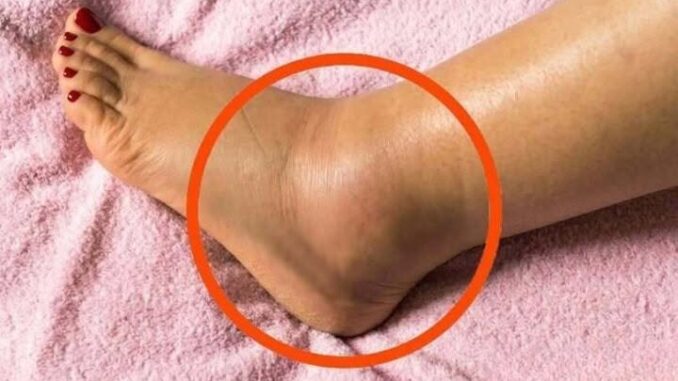
Many people tend to overlook swelling in the lower legs, ankles, or feet. It is often brushed off as something minor, a normal consequence of aging, long working hours, standing for too long, or simply sitting for extended periods. Because it is usually not painful in the early stages, it is frequently ignored or considered harmless.
However, swelling in the lower extremities is not always a simple or isolated issue. In many cases, it is a physical sign that the body is experiencing internal changes that deserve attention. While it can be linked to lifestyle habits, it may also be associated with underlying medical conditions that develop gradually and remain unnoticed until they become more serious.
Understanding why this symptom occurs, how it develops, and when it may require medical evaluation is important for maintaining long-term health and preventing complications.
Swelling in the legs, also known as fluid accumulation in tissues, occurs when excess fluid builds up in the lower parts of the body. This can happen for a variety of reasons, ranging from temporary lifestyle factors to chronic health conditions.
One of the main reasons this happens is due to how blood and fluid circulate through the body. The lower limbs are farthest from the heart, which means the body must work against gravity to return blood upward. When circulation slows or becomes less efficient, fluid may begin to collect in the tissues of the legs and ankles.
This accumulation is often more noticeable at the end of the day or after long periods of inactivity. In many cases, the swelling may improve when the legs are elevated or when the person begins moving again.
Healthy blood circulation plays a key role in preventing fluid buildup. As people grow older, the natural elasticity of blood vessels can decrease. This change may slow down circulation, making it more difficult for blood to flow efficiently back to the heart.
The muscles in the lower legs, especially the calves, assist in this process by acting as a pumping mechanism. Each time a person walks or moves, these muscles contract and help push blood upward. Because of this important function, calf muscles are sometimes described as playing a supportive role similar to a secondary pumping system for circulation.
When physical activity decreases—whether due to aging, a sedentary lifestyle, or prolonged periods of sitting—this natural pumping mechanism becomes less active. As a result, blood flow slows, and fluid may accumulate in the lower limbs. Over time, this can lead to noticeable swelling, especially around the ankles and feet.
his type of swelling is often temporary and may improve with movement or rest. However, if it becomes persistent, it may indicate that circulation is not functioning optimally.
Another common cause of swollen legs is fluid retention, medically referred to as edema. This condition occurs when the body is unable to properly balance or remove excess fluid, causing it to collect in surrounding tissues.
Edema can develop for many reasons. In some situations, it is mild and short-term, such as after a long flight, excessive salt intake, or standing for extended periods. In other cases, it may be linked to more complex internal issues.
The body relies on several organs to regulate fluid levels effectively. The heart, kidneys, and liver all play important roles in maintaining this balance. If one or more of these organs are not functioning efficiently, fluid regulation may be disrupted.
For example, when the heart is unable to pump blood effectively, fluid may begin to back up in the veins of the legs. Similarly, when the kidneys are not filtering waste and water properly, excess fluid can remain in the body. Liver dysfunction can also interfere with protein production that helps control fluid distribution, potentially leading to swelling in various parts of the body.
Because these processes are interconnected, swelling can sometimes be an early indicator that something within the body’s internal systems is not working as expected.
Influence of Diet on Swelling
Dietary habits can also have a significant impact on fluid retention. One of the most common dietary contributors is excessive sodium intake.
Sodium affects how the body retains water. When large amounts of salt are consumed, the body tends to hold onto additional fluid to maintain balance. This can lead to swelling, especially in the lower legs and feet.
Many people consume more sodium than they realize. Processed foods, packaged snacks, canned products, fast food meals, and restaurant dishes often contain high levels of salt. Over time, consistent high sodium intake can contribute not only to swelling but also to additional strain on the cardiovascular system.
Reducing salt intake and choosing fresher, less processed foods may help improve fluid balance in the body and reduce swelling over time.
Medication-Related Swelling
In some cases, swelling in the legs may be linked to medication use. Many individuals take multiple prescription drugs, especially later in life, and certain medications can have side effects that include fluid retention.
Some blood pressure medications, anti-inflammatory drugs, hormone treatments, pain relievers, and medications used to manage diabetes have been associated with swelling in the lower extremities.
Because this type of swelling often develops gradually, it may not be immediately linked to a specific medication. Individuals may assume it is due to aging or lifestyle changes rather than a reaction to a prescribed treatment.
For this reason, any new or unexplained swelling that appears after starting a medication should be discussed with a healthcare professional. Adjustments in dosage or medication type may sometimes help reduce this side effect.
Physical Activity and Its Impact on Circulation
Movement plays an essential role in maintaining healthy circulation. Regular physical activity helps stimulate blood flow and supports the lymphatic system, which is responsible for removing excess fluid and waste from tissues.
When the body remains inactive for long periods, circulation slows down. This can make it easier for fluid to collect in the lower legs.
Even simple movements can make a meaningful difference. Activities such as walking, stretching, light leg exercises, or changing positions frequently throughout the day can help promote better circulation.
For individuals who spend much of their day sitting or standing in one position, incorporating short movement breaks can significantly reduce the likelihood of swelling.
When Swelling May Indicate a More Serious Condition
Although swelling in the legs is often harmless or temporary, there are situations where it may signal a more serious health concern.
One condition that requires attention is deep vein thrombosis (DVT), which occurs when a blood clot forms in a deep vein, usually in the leg. This condition is important to recognize because it can potentially lead to serious complications if not addressed.
In some cases, a clot may dislodge and travel to the lungs, resulting in a pulmonary embolism, which is a medical emergency.
Symptoms that may be associated with this condition include sudden swelling in one leg, pain or tenderness, redness, or warmth in the affected area. Unlike general fluid-related swelling, which typically affects both legs, DVT often occurs on only one side.
Any sudden or unexplained swelling should be evaluated by a healthcare professional to rule out serious causes and ensure proper treatment if necessary.
Practical Ways to Manage Mild Swelling
There are several simple approaches that may help reduce mild swelling in the legs, especially when it is related to lifestyle factors.
Elevating the legs above heart level for short periods can help encourage fluid to move back toward the upper body. This can be particularly helpful after long periods of standing or sitting.
Compression stockings may also be beneficial in some cases. These garments apply gentle pressure to the legs, which can support circulation and reduce fluid buildup.
Dietary changes, particularly reducing sodium intake, may also help improve symptoms. Choosing fresh foods and limiting highly processed products can support better fluid balance.
Staying properly hydrated is another important factor. Although it may seem counterintuitive, dehydration can sometimes cause the body to retain more fluid as a protective response.
Regular physical activity remains one of the most effective long-term strategies for improving circulation and reducing swelling. Activities such as walking, swimming, or cycling can all support cardiovascular and lymphatic health.
Why Persistent Swelling Should Not Be Ignored
While occasional swelling is often harmless, persistent or recurring swelling should not be overlooked. It may be a sign that the body is experiencing an underlying imbalance that requires attention.
Because swelling can be linked to multiple factors—including circulation issues, organ function, medication side effects, diet, and lifestyle—it is important to identify the root cause rather than focusing only on the symptom itself.
Medical evaluation can help determine whether swelling is temporary or related to a more significant condition. Early assessment may also help prevent complications and allow for more effective management.
Final Thoughts
Swelling in the lower legs is a common experience, especially among older adults and individuals with sedentary lifestyles. In many cases, it is not dangerous and can be improved with simple lifestyle adjustments.
However, it should not automatically be dismissed as a normal part of aging. The body often uses subtle signs to communicate internal changes, and swelling can sometimes be one of those signals.
Paying attention to persistent or unusual symptoms, making healthy lifestyle choices, and seeking medical guidance when necessary can all contribute to better long-term health and well-being.
Leave a Reply