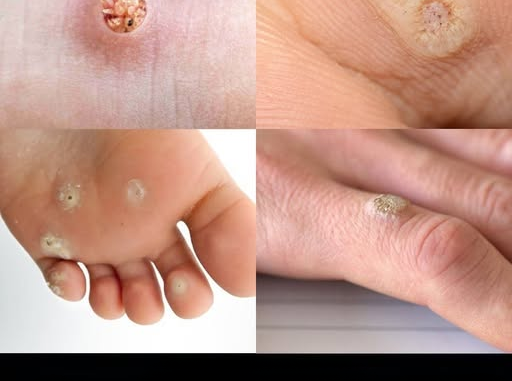
Many people experience unusual changes in their skin at some point in life. Sometimes it is a harmless mole, a small skin tag, or a rough patch that appears without warning. In other cases, a tiny bump develops on the hand, foot, face, or another part of the body and slowly becomes more noticeable over time.
At first, the growth may seem insignificant. It may not hurt, itch, or interfere with daily activities. Because of this, many individuals ignore it for weeks or even months. Eventually, however, questions begin to arise. Is it dangerous? Could it spread to other areas? Does it require treatment?
One of the most common explanations for these small skin growths is a wart.
Warts affect millions of people worldwide every year and can appear in individuals of all ages. Despite how common they are, misconceptions about warts remain widespread. Some people believe they only affect children, while others assume they are always contagious or difficult to remove. In reality, there are several different types of warts, each with unique characteristics, causes, and treatment considerations.
Understanding how warts develop, how they spread, and what treatment options are available can help individuals make informed decisions about their skin health. This knowledge can also reduce unnecessary worry and encourage appropriate medical care when needed.
Warts are non-cancerous skin growths that develop when certain strains of the human papillomavirus (HPV) infect the outer layer of the skin.
The virus enters the body through tiny openings in the skin that may be too small to notice. These openings can result from minor cuts, scratches, dry skin, or other forms of irritation. Once the virus enters the skin, it can stimulate rapid growth of skin cells, leading to the formation of a wart.
Although HPV is often discussed in relation to sexually transmitted infections, it is important to understand that many HPV strains are unrelated to sexual transmission. Different strains are responsible for different types of warts found on various parts of the body.
Most warts are considered benign, meaning they are not cancerous. However, they can sometimes cause discomfort, embarrassment, or inconvenience depending on their size and location.
Why Do Some People Develop Warts?
Not everyone exposed to HPV develops visible warts. Several factors can influence whether an infection leads to wart formation.
These factors may include:
- Individual immune system response
- Age
- Frequency of skin injuries
- Exposure to contaminated surfaces
- Personal hygiene habits
- Existing skin conditions
Children and teenagers tend to develop warts more frequently because their immune systems may not yet have built strong defenses against certain HPV strains. However, adults can also develop warts at any stage of life.
People with weakened immune systems may be more susceptible as well.
Common Signs and Symptoms of Warts
Warts can vary significantly in appearance depending on their type and location. Nevertheless, many share several common characteristics.
Typical features include:
- Rough or thickened skin
- Small raised bumps
- Flesh-colored, gray, brown, or slightly darker growths
- A grainy texture
- Slow growth over time
Some warts remain painless, while others can become uncomfortable when pressure is applied.
The appearance of a wart often provides clues regarding its specific classification.
Common Warts
Common warts are among the most frequently diagnosed varieties.
These growths usually develop on the fingers, hands, knuckles, or around the nails. Their surface often feels rough and uneven, giving them a texture that many people compare to cauliflower.
Initially, common warts may appear as tiny bumps. Over time, they can enlarge or multiply if left untreated.
Common warts may contain small black dots, which are often mistaken for seeds. These dots are actually tiny blood vessels that have clotted within the wart.
Because hands regularly come into contact with shared objects and surfaces, common warts can spread relatively easily through direct or indirect contact.
Plantar Warts
Plantar warts develop on the soles of the feet.
Unlike warts found on other parts of the body, plantar warts often grow inward rather than outward. The constant pressure from standing and walking pushes the wart deeper into the skin.
As a result, plantar warts may be mistaken for:
- Corns
- Calluses
- Hardened skin
- Foot injuries
Many people report a sensation similar to stepping on a pebble when walking.
Plantar warts may develop individually or appear in clusters known as mosaic warts. Because they occur on weight-bearing areas, they can sometimes cause significant discomfort during daily activities.
Flat Warts
Flat warts differ considerably from common and plantar warts.
Rather than protruding noticeably from the skin, they tend to remain relatively smooth and flat. Their surface is less rough, and they are often smaller in size.
Flat warts commonly appear on:
- The face
- Forehead
- Neck
- Arms
- Legs
These warts often occur in larger numbers than other types. It is not unusual for dozens of flat warts to appear in a concentrated area.
Because facial skin is more delicate and sensitive, treatment may require additional caution.
Filiform Warts
Filiform warts have a distinctive appearance that makes them easier to identify.
Instead of forming rounded bumps, they develop as narrow, finger-like projections extending outward from the skin.
These growths often appear near:
- The eyes
- Eyelids
- Nose
- Lips
- Neck
Although filiform warts are generally harmless, their location can make them cosmetically bothersome. Their unusual shape may also cause unnecessary concern among individuals unfamiliar with this type of wart.
Periungual Warts
Periungual warts develop around fingernails and toenails.
They may begin as small rough growths but can gradually interfere with nail development if allowed to expand.
Potential symptoms include:
- Nail deformities
- Cracking skin
- Tenderness around the nail
- Difficulty trimming nails
People who bite their nails or frequently pick at the skin surrounding their nails may be at increased risk of developing these warts.
Genital Warts
Genital warts require special consideration because they are associated with sexually transmitted HPV infections.
These warts can appear on or around the genital and anal regions. Their appearance varies considerably.
Some remain:
- Small
- Flat
- Difficult to notice
Others may become:
- Raised
- Clustered
- Larger in size
Not all HPV strains associated with genital warts carry the same health risks. Some strains primarily cause visible warts, while others are linked to increased risks of certain cancers.
For this reason, regular medical evaluation, screening, and preventive healthcare are especially important.
Vaccination against specific HPV strains can significantly reduce the risk of infection and related complications.
Seborrheic Keratosis: Often Mistaken for Warts
Many people confuse seborrheic keratoses with traditional warts.
These growths are not caused by HPV and are not contagious. Instead, they are common age-related skin growths that often develop later in adulthood.
Seborrheic keratoses may appear:
- Brown
- Black
- Tan
- Waxy
- Slightly raised
Their appearance can resemble a wart, leading many individuals to incorrectly assume they have a viral skin infection.
Although these growths are typically harmless, any new skin lesion that changes rapidly, bleeds, or develops unusual characteristics should be evaluated by a healthcare professional.
Are Warts Contagious?
One of the most frequently asked questions regarding warts concerns their ability to spread.
The short answer is yes.
However, wart transmission is generally more complex than many people realize.
The virus spreads primarily through direct skin contact or contact with contaminated objects and surfaces.
Examples include:
- Shared towels
- Razors
- Nail clippers
- Gym equipment
- Locker room floors
- Public shower areas
The risk increases when the skin contains small cuts or abrasions that allow the virus to enter.
Not everyone exposed to HPV will develop warts, which explains why transmission patterns can vary greatly between individuals.
How to Reduce the Risk of Spreading Warts
Preventing wart transmission involves several practical habits.
Helpful preventive measures include:
Avoid Picking at Warts
Touching, scratching, or picking a wart can spread viral particles to nearby skin.
Keep Warts Covered
Bandages may help reduce accidental contact and limit spread.
Do Not Share Personal Items
Avoid sharing:
- Towels
- Socks
- Shoes
- Razors
- Nail tools
Wear Foot Protection
Flip-flops or sandals can provide protection in communal showers and locker rooms.
Practice Good Hand Hygiene
Regular handwashing may reduce viral transmission.
Keep Skin Healthy
Moisturized, intact skin provides a stronger barrier against infection.
Can Warts Go Away on Their Own?
In many cases, yes.
The immune system can eventually recognize and eliminate the virus responsible for wart formation.
As immunity develops, the wart may gradually shrink and disappear.
However, this process can be unpredictable.
Some warts resolve within several months, while others persist for years.
The timeline varies according to factors such as:
- Wart type
- Immune response
- Location
- Age
- Overall health
Because spontaneous resolution can take a long time, many individuals seek treatment to speed the process.
Over-the-Counter Treatment Options
Several non-prescription treatments are widely available.
Salicylic Acid
Salicylic acid remains one of the most commonly recommended wart treatments.
It works by gradually removing layers of infected skin over time.
For best results:
- Follow product instructions carefully
- Apply consistently
- Soak affected skin beforehand when appropriate
- Remove softened dead skin gently
Patience is important, as treatment may require several weeks or months.
Freezing Products
Some over-the-counter products use cryotherapy-like methods to freeze the wart.
Although generally less powerful than professional treatments, they may be effective for certain small warts.
Users should carefully follow safety instructions to avoid damaging surrounding skin.
Home Remedies: What Does the Evidence Say?
Various home remedies continue to attract attention online.
While some individuals report success, scientific evidence varies.
Duct Tape Method
The duct tape approach involves covering a wart continuously for several days before removing dead tissue.
Researchers have produced mixed findings regarding effectiveness.
Some studies suggest benefits, while others show limited improvement compared to standard treatments.
Apple Cider Vinegar
Apple cider vinegar is often discussed because of its acidic nature.
Some people apply diluted solutions directly to warts.
However, improper use may irritate healthy skin or cause chemical burns. Individuals considering this approach should exercise caution.
Tea Tree Oil
Tea tree oil possesses antimicrobial properties that have generated interest among natural remedy enthusiasts.
Although anecdotal reports exist, scientific evidence supporting wart removal remains limited.
Essential oils should always be properly diluted before skin application.
Professional Medical Treatments
When home treatments fail or when warts occur in sensitive locations, professional care may be beneficial.
Dermatologists and healthcare providers can offer several treatment options.
Cryotherapy
Cryotherapy uses liquid nitrogen to freeze wart tissue.
Multiple treatment sessions may be necessary.
Prescription Medications
Certain medications can stimulate the immune system or help destroy infected tissue.
Laser Therapy
Laser treatments may target blood vessels supplying the wart, helping eliminate infected tissue.
Minor Surgical Procedures
In selected cases, healthcare providers may remove a wart through surgical techniques.
The best treatment depends on factors such as wart type, size, location, and patient preference.
When Should You See a Healthcare Professional?
Although most warts are harmless, certain situations warrant medical evaluation.
Seek professional advice if:
- The diagnosis is uncertain
- The growth changes rapidly
- It bleeds frequently
- It becomes painful
- Home treatments fail
- The wart appears on the face
- It develops near the eyes
- It occurs in the genital area
- You have diabetes or circulation problems
- Your immune system is weakened
Early evaluation can help ensure appropriate diagnosis and treatment.
The Role of the Immune System
An interesting aspect of wart development involves the body’s immune response.
Some individuals seem highly resistant to wart formation despite frequent exposure.
Others develop recurrent infections.
Researchers believe differences in immune function help explain this variation.
Maintaining overall health through adequate sleep, balanced nutrition, stress management, and regular physical activity supports immune function, although these habits cannot guarantee wart prevention.
Common Myths About Warts
Several myths continue to circulate.
Myth: Touching a Frog Causes Warts
This belief has existed for generations but is false.
Warts are caused by HPV, not frogs or toads.
Myth: Warts Always Spread Rapidly
Some warts remain stable for long periods without multiplying.
Myth: Every Skin Bump Is a Wart
Many skin conditions can resemble warts, including skin tags, moles, cysts, and seborrheic keratoses.
Myth: Cutting Off a Wart Solves the Problem
Attempting to remove a wart without proper medical guidance can increase infection risk and potentially spread the virus.
Preventing Future Warts
While complete prevention is not always possible, several strategies may reduce risk.
These include:
- Avoiding direct contact with visible warts
- Wearing footwear in public showers
- Maintaining healthy skin
- Treating cuts promptly
- Practicing good hygiene
- Avoiding nail biting
- Using personal grooming tools
For HPV strains associated with genital warts, vaccination may provide important protection.
Final Thoughts
Warts are among the most common skin conditions worldwide. Although they are typically harmless, they can cause discomfort, cosmetic concerns, and occasional frustration due to their persistence.
Because multiple wart types exist, recognizing their differences is valuable. Common warts, plantar warts, flat warts, filiform warts, and genital warts each have distinct characteristics and treatment considerations.
Fortunately, a wide range of management options are available. Some warts disappear naturally as the immune system clears the infection, while others respond well to over-the-counter treatments or professional medical care.
Most importantly, individuals should pay attention to persistent skin changes rather than ignoring them indefinitely. Early evaluation can provide reassurance, support accurate diagnosis, and help determine the most appropriate course of action.
Understanding the causes, prevention methods, and treatment options associated with warts empowers individuals to make informed decisions and maintain healthier skin throughout life.
Leave a Reply