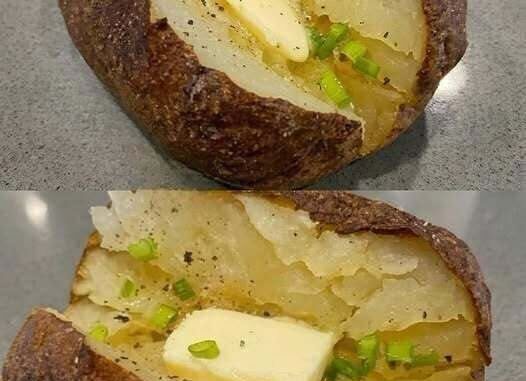
The first and most important decision when preparing baked potatoes is selecting the correct type of potato. While it may seem like all potatoes behave similarly, they actually vary significantly in starch content, moisture level, and texture after cooking.The first and most important decision when preparing baked potatoes is selecting the correct type of potato. While it may seem like all potatoes behave similarly, they actually vary significantly in starch content, moisture level, and texture after cooking.
Among the many available varieties, Russet potato is widely considered the best option for oven baking. This is due to its naturally high starch content and relatively low moisture level. When exposed to dry oven heat, the interior of a Russet potato breaks down into a light, fluffy structure, which is exactly what most people expect from a well-baked potato.
In contrast, varieties like Yukon Gold or red potatoes tend to have more moisture and less starch. While these types are excellent for roasting, boiling, or making creamy mash-style dishes, they typically produce a denser and slightly waxy texture when baked whole. This makes them less ideal for achieving the classic fluffy baked potato interior.
The skin of the Russet potato is also naturally thicker and tougher, which helps it hold up during long baking times. Instead of becoming soft or soggy, it crisps up nicely in the oven when prepared correctly.
Once the right potatoes are selected, the preparation stage becomes essential. This step is often underestimated, but it has a direct impact on the final texture and appearance of the baked potato.
Begin by heating the oven to 400°F (about 200°C). This temperature is ideal because it is high enough to crisp the skin while still allowing the inside to cook evenly without burning the exterior.
While the oven is warming up, each potato should be washed thoroughly under cold running water. The goal is to remove all dirt, dust, or natural residues from the skin. Since baked potatoes are typically eaten with the skin on, cleanliness is especially important.
After washing, it is equally important to dry the potatoes completely using a clean kitchen towel. Any remaining moisture on the surface will turn into steam inside the oven, which can prevent the skin from crisping properly. Instead of developing a dry and crunchy exterior, the potato may become slightly soft or rubbery on the outside if it is not dried well.
Once dry, use a fork to pierce the surface of each potato several times. These small holes serve an important purpose: they allow steam to escape during baking. As the inside of the potato heats up, moisture turns into steam and expands. Without escape points, pressure can build up inside the potato, leading to uneven cooking or even splitting.
One of the defining features of a great baked potato is its skin. Instead of being bland or leathery, it should be flavorful, slightly salty, and crisp enough to contrast with the soft interior.
To achieve this, each potato should be lightly coated with either olive oil or melted butter. Both options work well, but they offer slightly different results.
Using olive oil gives the skin a light, clean flavor and helps it crisp evenly. It also promotes browning, which enhances both taste and appearance.
Alternatively, melted butter adds a richer, more indulgent flavor to the skin. It contributes to a deeper golden color and a slightly more decadent texture.
After coating, a generous sprinkle of coarse salt should be applied. Salt plays a dual role here. First, it enhances the natural flavor of the potato skin. Second, it helps draw out surface moisture and encourages crisping during baking. The combination of fat and salt creates a skin that is both flavorful and textured.
Step 3: Baking Without Foil for Maximum Texture
The baking process itself is where the transformation happens. Place the prepared potatoes directly on the oven rack or on a wire rack positioned inside a baking tray. The key idea is airflow—hot air must circulate freely around the entire surface of the potato.
One important rule during this stage is to avoid wrapping the potatoes in foil. While foil may seem helpful for keeping heat in, it actually traps steam around the potato. This steam softens the skin rather than allowing it to dry and crisp.
A properly baked potato should have a dry, slightly crackling exterior, not a steamed, soft surface.
The typical baking times are as follows:
- Medium-sized potatoes: around 45–60 minutes
- Large potatoes: around 60–75 minutes
However, exact timing depends on the size and density of the potatoes. The best way to determine doneness is not strictly by the clock, but by texture. A fully baked potato should feel soft when gently squeezed (using an oven mitt), and a fork or knife should slide easily into the center without resistance.
Step 4: Understanding the Transformation Inside the Oven
During baking, several physical changes occur inside the potato. The heat causes starch molecules to absorb moisture and swell. Eventually, these starches break down into a soft, airy structure. This is what creates the fluffy interior associated with a perfectly baked potato.At the same time, moisture inside the potato turns into steam. Because the skin is intact but perforated with fork holes, this steam escapes gradually, helping to keep the inside light rather than soggy.
On the outside, the combination of dry heat, oil or butter, and salt leads to browning and crisping. This is a result of natural chemical reactions that develop flavor and color over time.
The balance between moisture loss on the outside and starch breakdown inside is what defines a well-executed baked potato.
Step 5: The Most Satisfying Moment—Opening the Potato
Once baking is complete, the potato should be removed from the oven and allowed to rest for a few minutes. This short resting period allows internal steam to settle slightly, making it easier to handle.
Cutting into a freshly baked potato is one of the most satisfying steps in the process. As the knife slices through the crispy skin, steam escapes, revealing the soft interior.
At this point, the inside should appear fluffy and slightly separated rather than compact or dense. To enhance this texture further, gently fluff the interior with a fork before adding any toppings. This simple action helps release remaining steam and creates more surface area for toppings to blend into the potato evenly.
Step 6: Classic Toppings That Never Fail
A baked potato is extremely versatile, and its mild flavor makes it an ideal base for a wide range of toppings. Traditional combinations remain popular because they balance richness, creaminess, and savory notes.
Some of the most classic options include:
- butter, which melts into the hot potato and adds richness
- sour cream, which provides a cool, tangy contrast
- Shredded cheddar cheese, which melts into the fluffy interior
- Crispy bacon bits for a salty crunch
- Fresh chives and green onion for brightness and freshness
These toppings have remained popular for decades because they complement the neutral, earthy flavor of potatoes without overpowering them.
Step 7: Lighter and Plant-Based Meal Ideas
Beyond traditional toppings, baked potatoes can easily be turned into balanced meals with vegetables and plant-based ingredients. Their neutral base allows them to pair well with a wide variety of flavors and textures.
Some nutritious options include:
- Roasted broccoli for a hearty, earthy addition
- Sautéed mushroom for a savory, umami-rich topping
- Fresh spinach lightly wilted for added nutrients
- Roasted bell pepper for sweetness and color
- Caramelized onion for deep savory notes
- black bean chili for a protein-rich topping
- lentil stew for a filling, hearty option
- chickpea curry for a flavorful and protein-dense meal
These combinations transform a simple baked potato into a complete, balanced dish suitable for lunch or dinner.
Step 8: Meal Prep and Storage Benefits
Another advantage of baked potatoes is their practicality. They are not only easy to prepare in bulk but also store well for later use.
Once cooled, baked potatoes can be stored in the refrigerator and reheated when needed. Reheating them in an oven or air fryer helps restore much of the original crisp texture on the outside while keeping the inside soft.
This makes them a convenient option for meal planning throughout the week. They can be prepared in advance and customized later with different toppings, allowing for variety without repeated cooking effort.
Why This Simple Dish Remains a Favorite
Despite the constant evolution of cooking styles and global food trends, the baked potato continues to hold its place as a staple comfort food. Its appeal lies in its simplicity, affordability, and flexibility.
With just a Russet potato, a bit of oil or butter, salt, and proper oven technique, it is possible to create a dish that feels both satisfying and versatile.
The combination of crisp exterior and fluffy interior remains universally enjoyable. Whether served as a side dish or transformed into a full meal with creative toppings, the baked potato demonstrates that simple cooking methods often produce the most reliable and rewarding results.
Its enduring popularity is a reminder that good food does not need to be complicated—just thoughtfully prepared.
Leave a Reply