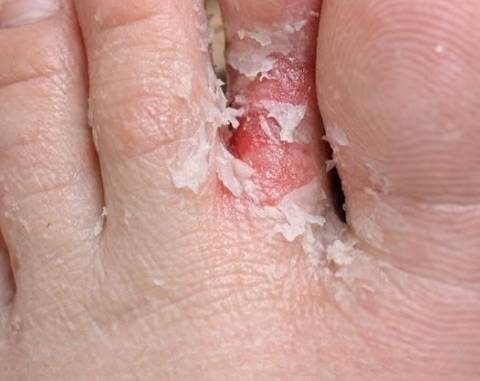
Teenagers who participate in sports and physical activities often spend long hours wearing athletic shoes, cleats, and sports gear. While regular exercise offers many health benefits, it can also create conditions that increase the likelihood of certain foot-related problems. One of the most common concerns among active adolescents is athlete’s foot, a fungal infection that affects the skin of the feet.
Many parents initially assume symptoms such as itching, peeling skin, redness, or mild discomfort are simply caused by sweat or irritation from sports equipment. However, these symptoms can sometimes indicate athlete’s foot, a condition that affects millions of people worldwide each year.
Although athlete’s foot is generally not considered a serious medical condition, it can cause significant discomfort if left untreated. Understanding how the infection develops, recognizing the warning signs, and learning effective prevention strategies can help teenagers maintain healthy feet throughout the year.
This comprehensive guide explains the causes, symptoms, treatment approaches, and prevention methods associated with athlete’s foot in active teenagers.
What Is Athlete’s Foot?
Athlete’s foot is a common fungal skin infection that primarily affects the feet, especially the areas between the toes. The medical term for this condition is tinea pedis.
The infection develops when fungi known as dermatophytes grow on the skin. These organisms thrive in warm, humid environments and can multiply rapidly when moisture is present.
Although the condition is called athlete’s foot, anyone can develop it regardless of athletic ability. However, teenagers who participate in sports often face a greater risk because of the environments and footwear commonly associated with athletic activities.
Athlete’s foot may affect one or both feet and can range from mild irritation to more noticeable skin changes that require treatment.
Why Active Teenagers Are More Vulnerable
Sports participation often creates ideal conditions for fungal growth.
During practices, games, workouts, and training sessions, feet may remain enclosed inside shoes for extended periods. Sweat accumulates naturally during physical activity, and moisture can become trapped within socks and footwear.
Several factors contribute to increased susceptibility among active teenagers:
Prolonged Use of Athletic Footwear
Athletic shoes and cleats are designed to provide support and protection. However, they can also limit airflow around the feet. Wearing the same shoes repeatedly without allowing them to dry completely may create a favorable environment for fungal growth.
Increased Sweating
Teenagers often experience significant perspiration during sports and exercise. Excess moisture softens the skin and may make it easier for fungi to establish themselves.
Shared Athletic Facilities
Locker rooms, gym floors, community showers, swimming pools, and changing areas are common places where fungal organisms may be present.
Minor Skin Injuries
Small cuts, blisters, abrasions, or cracks in the skin can provide entry points for fungi.
Frequent Sports Participation
Athletes who train daily or participate in multiple sports throughout the year may have increased exposure to conditions that encourage fungal infections.
What Causes Athlete’s Foot?
Athlete’s foot develops when fungi multiply on the skin’s surface.
These fungi are commonly found in the environment and are not necessarily harmful under normal circumstances. Problems occur when conditions allow them to grow excessively.
Factors that can contribute to infection include:
- Warm temperatures
- Excess moisture
- Sweaty footwear
- Poor foot ventilation
- Walking barefoot in communal areas
- Sharing shoes or towels
- Inadequate foot hygiene
- Wearing damp socks for extended periods
When these factors combine, fungal organisms can flourish and begin affecting the outer layers of the skin.
How Athlete’s Foot Spreads
Athlete’s foot can spread through both direct and indirect contact.
Direct transmission may occur through skin-to-skin contact with an infected person.
Indirect transmission is often more common and may involve contact with contaminated surfaces or items.
Examples include:
- Walking barefoot in locker rooms
- Using communal showers
- Sharing footwear
- Borrowing socks
- Sharing towels
- Contact with contaminated floors
- Using sports equipment in moist environments
Because fungal spores can survive on surfaces, maintaining good hygiene practices is important for reducing exposure.
Common Symptoms of Athlete’s Foot
Symptoms vary from person to person. Some teenagers experience only mild irritation, while others develop more noticeable signs.
Common symptoms include:
Itching
Persistent itching between the toes is one of the most frequently reported symptoms.
Peeling Skin
Affected areas may become flaky, cracked, or begin to peel.
Redness
The skin may appear inflamed or irritated.
Burning Sensation
Some individuals report mild burning, stinging, or discomfort.
Dry, Scaly Patches
The skin may develop a rough texture or powdery appearance.
Cracks Between the Toes
Moist skin can break down and form painful fissures.
Unpleasant Odor
In some cases, fungal growth may contribute to increased foot odor.
Discomfort During Physical Activity
Running, walking, or wearing tight shoes may worsen symptoms.
Different Types of Athlete’s Foot
Athlete’s foot can appear in several forms.
Interdigital Athlete’s Foot
This is the most common type.
It usually develops between the fourth and fifth toes and causes itching, peeling, and cracking.
Moccasin-Type Athlete’s Foot
This form affects the soles and sides of the feet.
The skin may become thick, dry, and scaly.
Vesicular Athlete’s Foot
This less common type produces small fluid-filled blisters.
The blisters may appear on the soles or arches of the feet.
Ulcerative Athlete’s Foot
This more severe form may involve open sores and significant skin breakdown.
Medical evaluation is particularly important if symptoms become severe.
Conditions That May Resemble Athlete’s Foot
Several skin conditions can produce symptoms similar to athlete’s foot.
Eczema
Eczema may cause itching, redness, dryness, and irritation.
Contact Dermatitis
The skin may react to certain materials, soaps, detergents, or footwear components.
Dry Skin
Environmental conditions can cause cracking and peeling.
Psoriasis
This chronic skin condition may create scaly patches that resemble fungal infections.
Allergic Reactions
Certain products used on the feet may trigger irritation.
Because symptoms can overlap, a healthcare professional can help determine the underlying cause when symptoms persist.
How Athlete’s Foot Is Diagnosed
Healthcare providers often diagnose athlete’s foot through a physical examination.
During an appointment, a clinician may:
- Review symptoms
- Examine affected skin
- Discuss sports participation
- Ask about recent activities
- Evaluate medical history
- Consider alternative diagnoses
In some situations, additional testing may be performed to confirm the presence of fungal organisms.
Accurate diagnosis helps ensure that the most appropriate treatment approach is selected.
Treatment Options for Athlete’s Foot
Most cases respond well to treatment when addressed promptly.
The specific treatment plan depends on factors such as symptom severity, duration, and individual health considerations.
Over-the-Counter Antifungal Products
Many mild cases can be managed with non-prescription antifungal medications.
These products may be available as:
- Creams
- Sprays
- Powders
- Gels
- Ointments
Consistent use according to product instructions is important.
Prescription Treatments
When symptoms are severe, persistent, or recurrent, healthcare professionals may recommend prescription medications.
These treatments may include stronger topical antifungal products or, in certain situations, oral medications.
Addressing Secondary Infections
If excessive scratching leads to bacterial infection, additional medical treatment may be necessary.
Prompt attention can help prevent complications.
Home Care Strategies During Recovery
Alongside medical treatment, several practical steps may support recovery.
Keep Feet Clean
Wash feet daily using mild soap and water.
Dry Thoroughly
Pay particular attention to drying between the toes.
Change Socks Regularly
Fresh socks help reduce moisture buildup.
Alternate Footwear
Allow shoes adequate time to dry completely between uses.
Avoid Scratching
Scratching may worsen irritation and damage the skin.
Follow Treatment Instructions
Continue treatment as directed, even if symptoms begin improving.
The Importance of Moisture Control
Moisture management is one of the most effective ways to reduce fungal growth.
Fungi thrive when:
- Skin remains damp
- Airflow is restricted
- Shoes retain moisture
- Socks become saturated with sweat
Reducing moisture helps create an environment that is less favorable for fungal organisms.
Athletes may benefit from changing socks after practices or workouts.
Choosing Appropriate Socks
Socks play a significant role in foot health.
Moisture-wicking materials may help keep feet drier during physical activity.
Important considerations include:
- Breathable fabrics
- Proper fit
- Regular replacement
- Daily changes
- Extra pairs for long training sessions
Clean, dry socks can contribute to overall foot comfort and hygiene.
Selecting Suitable Footwear
Proper footwear can help reduce moisture accumulation.
Consider:
Breathability
Shoes that promote airflow may help reduce humidity inside the shoe.
Proper Fit
Shoes that fit correctly reduce friction and irritation.
Rotation
Alternating between multiple pairs allows shoes to dry thoroughly.
Regular Cleaning
Cleaning athletic footwear can help remove dirt and moisture.
Preventing Athlete’s Foot in Teen Athletes
Prevention is often easier than treatment.
Developing healthy habits can significantly lower the risk of infection.
Wear Protective Footwear
Use sandals or shower shoes in communal areas.
Avoid Sharing Personal Items
Do not share:
- Shoes
- Socks
- Towels
- Athletic gear
Maintain Good Hygiene
Wash feet daily and dry thoroughly afterward.
Monitor Foot Health
Regularly inspect the feet for changes in skin appearance.
Keep Athletic Gear Clean
Regular cleaning of sports equipment may reduce exposure to fungi.
Sports Seasons and Increased Risk
Many cases appear or worsen during periods of intense athletic participation.
Sports seasons often involve:
- Daily practices
- Frequent competitions
- Long periods in athletic footwear
- Increased perspiration
- Repeated exposure to locker rooms
These factors combine to create conditions that encourage fungal growth.
Recognizing symptoms early can help prevent progression.
When to Seek Medical Advice
Professional evaluation may be beneficial when:
- Symptoms persist despite treatment
- The condition continues spreading
- Pain becomes significant
- Blisters develop
- Skin becomes severely cracked
- Signs of infection appear
- Diagnosis is uncertain
Early evaluation can help identify the cause and guide appropriate management.
Frequently Asked Questions
Is athlete’s foot contagious?
Yes. The fungi associated with athlete’s foot can spread through contact with contaminated surfaces or personal items.
Can teenagers get athlete’s foot even if they are not athletes?
Yes. Anyone can develop athlete’s foot if conditions favor fungal growth.
Will athlete’s foot go away on its own?
Some mild cases may improve, but treatment is often recommended to reduce symptoms and prevent spread.
Can wearing sandals help?
Open footwear may improve airflow and reduce moisture accumulation.
Can athlete’s foot return?
Recurrence is possible, especially if preventive measures are not maintained.
Long-Term Foot Health for Young Athletes
Healthy feet are essential for sports performance and daily activities.
Teenagers who establish good foot-care habits early may reduce their risk of recurring infections and other foot-related concerns.
Helpful habits include:
- Daily hygiene
- Proper shoe maintenance
- Moisture control
- Regular sock changes
- Early attention to symptoms
- Safe practices in communal facilities
These simple measures can contribute to long-term foot comfort and overall well-being.
Conclusion
Athlete’s foot is a common fungal infection that frequently affects active teenagers, particularly those involved in sports and physical activities. Warm, moist environments inside athletic footwear can create ideal conditions for fungal growth, increasing the likelihood of infection.
Fortunately, most cases can be managed effectively through appropriate treatment, good hygiene practices, and consistent prevention strategies. Recognizing symptoms early and taking proactive steps to keep feet clean and dry can help reduce discomfort and minimize the risk of spreading the infection.
By understanding the causes, symptoms, treatment options, and preventive measures associated with athlete’s foot, families can make informed decisions that support healthy, comfortable feet throughout the year.
Medical Disclaimer
This article is intended for educational and informational purposes only and should not be considered medical advice, diagnosis, or treatment. Health conditions can vary from person to person. Individuals experiencing persistent, worsening, or concerning symptoms should consult a qualified healthcare professional for personalized evaluation and guidance.
Leave a Reply