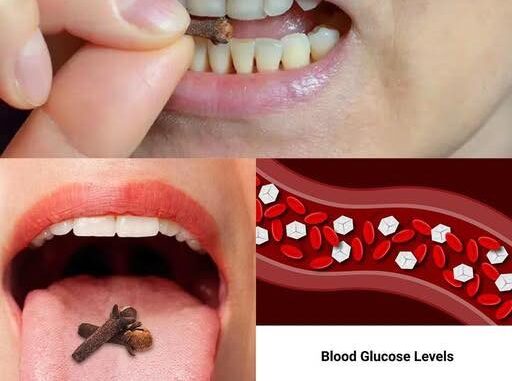
In a world where health advice often focuses on complicated routines, expensive supplements, and dramatic lifestyle changes, it’s easy to overlook the simple ingredients already sitting in our kitchens. One such ingredient is the humble clove—a small, aromatic spice that has been valued for centuries in traditional cultures around the world.
At first glance, a clove may seem insignificant. Its size is tiny, and many people know it only as a seasoning used in holiday recipes, teas, or spice blends. Yet behind its distinctive flavor and fragrance lies a remarkable nutritional profile that continues to attract the attention of researchers, nutrition enthusiasts, and practitioners of traditional medicine.
While cloves are not a miracle solution and should never replace professional medical care, they may offer several potential benefits when consumed as part of a balanced diet. Understanding what cloves are, what they contain, and how they may support overall wellness can help people make informed decisions about incorporating them into their daily routines.
What Are Cloves?
Cloves are the dried flower buds of the clove tree, scientifically known as Syzygium aromaticum. Native to Indonesia, cloves have been traded and used for thousands of years. Today, they are commonly found in kitchens worldwide and are used in both sweet and savory dishes.
Their strong aroma comes primarily from a natural compound called eugenol, which is responsible for many of the properties associated with cloves. Eugenol has been studied extensively for its antioxidant and antimicrobial characteristics.
In addition to eugenol, cloves contain small amounts of vitamins, minerals, fiber, and other plant compounds that contribute to their nutritional value.
A Rich Source of Antioxidants
One of the most discussed qualities of cloves is their high antioxidant content. Antioxidants are compounds that help protect cells from oxidative stress caused by unstable molecules known as free radicals.
Oxidative stress occurs naturally in the body, but factors such as pollution, smoking, poor diet, and everyday environmental exposures can increase its effects. Over time, excessive oxidative stress may contribute to cellular damage.
Cloves contain several antioxidant compounds, including eugenol, flavonoids, and phenolic acids. These substances help neutralize free radicals and support the body’s natural defense systems.
It’s important to note that antioxidants work best as part of an overall healthy lifestyle that includes nutritious foods, regular physical activity, adequate sleep, and stress management.
Supporting Oral Health
One of the oldest traditional uses of cloves involves oral hygiene. Long before modern dental products became widely available, cloves were commonly used to freshen breath and support oral comfort.
The natural compounds found in cloves possess antibacterial properties that may help reduce the growth of certain bacteria in the mouth. Because oral bacteria play a role in bad breath and plaque formation, maintaining good oral hygiene remains an important aspect of overall health.
Some people choose to chew a single clove after meals as a natural way to freshen their breath. Others use clove-infused mouth rinses or oral care products that contain clove extracts.
However, chewing cloves should not be considered a substitute for brushing, flossing, regular dental checkups, or professional treatment when needed. Proper oral care requires a comprehensive approach that includes daily hygiene habits and routine dental visits.
Potential Benefits for Digestion
Digestive comfort is another area where cloves have traditionally been used. Many cultures have included cloves in herbal preparations intended to support digestive function.
The compounds found in cloves may help stimulate digestive enzymes, which play a role in breaking down food during digestion. Some individuals report that consuming cloves in moderation helps them feel more comfortable after meals.
Additionally, cloves have been traditionally used to address occasional bloating or feelings of digestive sluggishness. While research in this area is ongoing, the historical use of cloves in digestive support has contributed to their popularity in herbal wellness practices.
It’s worth remembering that digestive symptoms can have many causes. Persistent discomfort, pain, or digestive issues should be evaluated by a qualified healthcare professional.
Anti-Inflammatory Properties
Inflammation is a natural response that helps the body protect itself from injury and infection. However, chronic inflammation has been associated with a variety of long-term health concerns.
Eugenol, one of the primary active compounds in cloves, has been studied for its anti-inflammatory properties. Researchers continue to investigate how plant-based compounds may influence inflammatory pathways within the body.
While cloves alone are not a treatment for inflammatory conditions, incorporating a variety of antioxidant-rich foods into the diet may contribute to overall wellness and support healthy bodily functions.Foods commonly associated with anti-inflammatory dietary patterns include fruits, vegetables, whole grains, nuts, seeds, legumes, herbs, and spices such as cloves.
Traditional Uses in Wellness Practices
Throughout history, cloves have played an important role in traditional wellness systems across Asia, the Middle East, and other regions.
They have been used in teas, herbal mixtures, culinary preparations, and aromatic applications. Their popularity stems not only from their flavor but also from their reputation as a versatile spice with multiple potential uses.
Traditional uses may include:
- Supporting digestive comfort
- Freshening breath
- Enhancing food flavor naturally
- Providing aromatic benefits
- Contributing antioxidants to the diet
Modern scientific research continues to explore many of these traditional applications, though more studies are often needed to fully understand their effects.
Nutritional Value of Cloves
Although cloves are typically consumed in small quantities, they contain a range of nutrients, including:
- Manganese
- Fiber
- Vitamin K
- Vitamin C (in small amounts)
- Various phytonutrients
Because serving sizes are usually small, cloves are not considered a major source of vitamins or minerals. However, their concentration of beneficial plant compounds contributes to their unique nutritional profile.
Cloves and Everyday Wellness
Many people appreciate cloves not because they offer dramatic results, but because they fit easily into daily routines. Small habits often become sustainable habits, and sustainable habits are frequently the ones that contribute most to long-term wellness.
A person might incorporate cloves into their routine by:
- Adding them to tea
- Using them in soups and stews
- Including them in spice blends
- Adding them to baked goods
- Using them in warm beverages
- Chewing a single clove occasionally after meals
The key is moderation and consistency rather than excessive consumption.
The Importance of Balance
When discussing natural foods and spices, balance is essential. More is not always better.
Cloves contain concentrated compounds that can be powerful in large amounts. Excessive consumption may cause unwanted effects in some individuals. Certain people may also experience sensitivities or interactions with medications.
For this reason, cloves should be consumed in moderation as part of a varied and balanced diet.
Individuals who are pregnant, nursing, have medical conditions, take prescription medications, or have concerns about dietary changes should consult a healthcare professional before significantly increasing their intake of cloves or other herbal products.
What Science Says
Research into cloves and their active compounds continues to expand. Studies have examined their antioxidant capacity, antimicrobial properties, and potential effects on inflammation.
However, scientific findings should be interpreted carefully. Many studies are conducted in laboratory settings or involve concentrated extracts rather than the amounts typically consumed in food.
As a result, researchers often caution against drawing broad conclusions about health outcomes based solely on preliminary evidence.
The most reliable approach is to view cloves as one component of a healthy lifestyle rather than a standalone solution for health concerns.
A Natural Addition to a Healthy Diet
One reason cloves remain popular is that they offer both flavor and potential wellness benefits. Unlike many health trends that come and go, cloves have maintained their place in culinary traditions for generations.
Their warm, aromatic taste enhances numerous recipes while contributing beneficial plant compounds that may support overall health.
When paired with nutritious eating habits, regular physical activity, adequate hydration, quality sleep, and preventive healthcare, cloves can be part of a balanced approach to wellness.
Small Habits Can Make a Difference
Many people search for life-changing solutions to improve their health, but meaningful progress often comes from simple, consistent choices. Drinking enough water, eating more vegetables, taking regular walks, getting sufficient sleep, and choosing nutrient-rich foods can all contribute to long-term well-being.
Adding a small amount of cloves to your diet may be another example of a simple habit that fits naturally into a healthy lifestyle.
While a single clove is not a cure-all, it represents an important reminder: small actions performed consistently can have a meaningful impact over time.
Final Thoughts
The humble clove may be small, but its history, flavor, and nutritional properties have earned it lasting popularity across cultures. Rich in antioxidants and traditionally valued for supporting oral health and digestion, cloves offer a simple way to add both flavor and beneficial plant compounds to everyday meals.
At the same time, it’s important to maintain realistic expectations. Cloves are not a substitute for medical treatment, professional healthcare advice, or a balanced lifestyle. Their greatest value lies in their role as part of a broader approach to health and wellness.
Sometimes the most sustainable improvements begin not with dramatic changes, but with small, thoughtful habits repeated day after day. A tiny spice in the kitchen may not seem significant, yet it serves as a reminder that healthy living is often built on simple choices that add up over time.
Leave a Reply